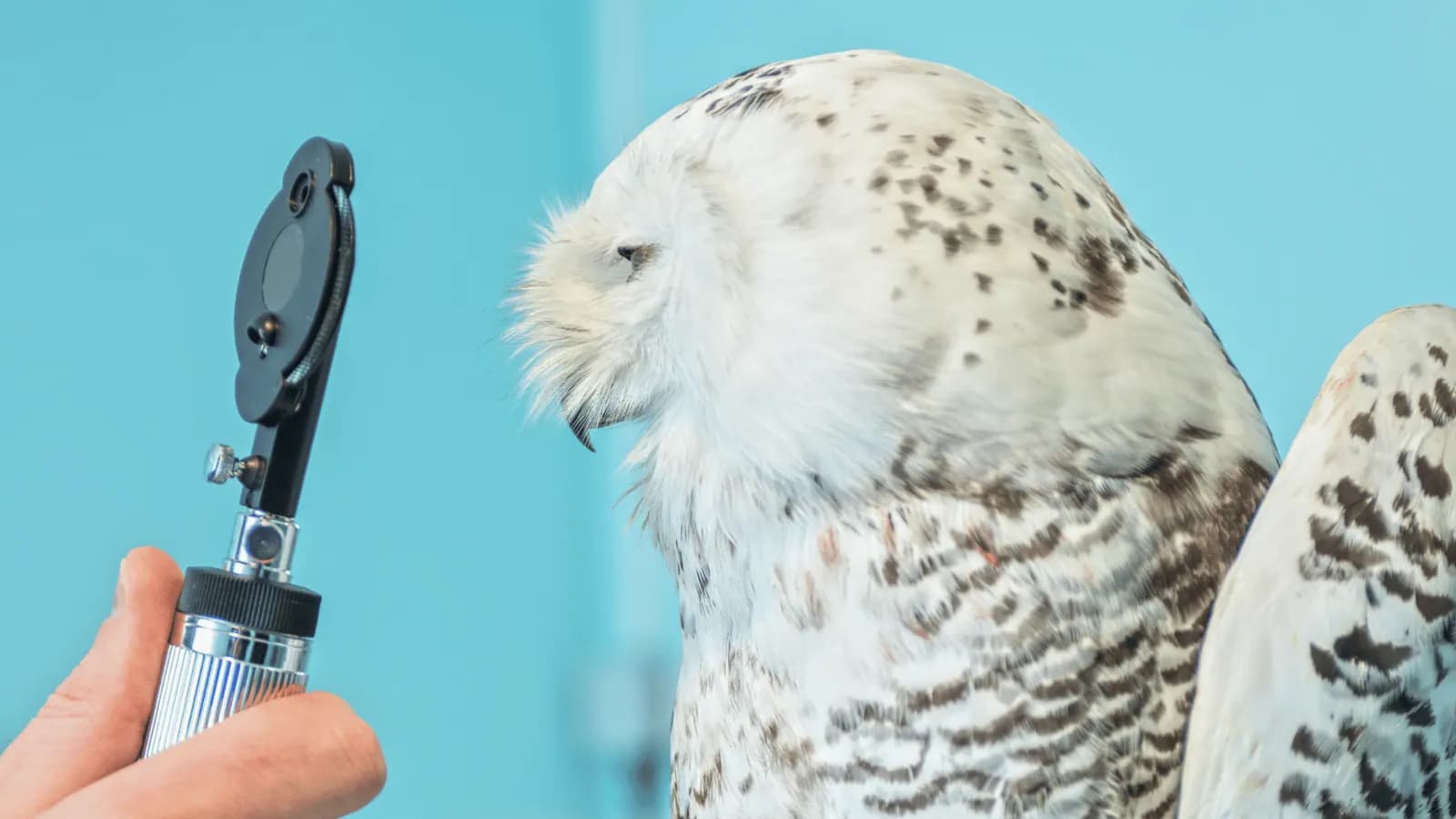
Independent veterinary care
Support for your feathered companions
Ironstone's existing site describes general bird care, including beak and nail trims and advice about husbandry. Contact the practice with details of your bird's species and needs to confirm appointment availability and whether further assessment or referral is appropriate.
Care and treatment decisions are always based on an individual assessment. Contact the clinic to discuss your pet and confirm appointment availability.
Bird care at Ironstone
Not every veterinary practice sees birds, but we provide a general range of treatments for pet birds, from budgies, canaries and parakeets to parrots and backyard chickens. Our bird care includes nail trims, beak trims and advice on basic husbandry, such as diet, housing, lighting and enrichment.
Many common problems in pet birds are linked to diet and environment, so good husbandry advice can make a real difference to your bird's health and wellbeing.
Nail and beak trims
Overgrown nails can catch on perches and toys and make it hard for birds to grip. An overgrown beak can make eating difficult. A trim is a quick procedure, carried out with careful handling to keep your bird as calm as possible.
If your bird keeps needing trims, it is worth talking to your vet about perches, diet and environment, as these can all affect how nails and beaks wear down.
Signs your bird may be unwell
Like small mammals, birds tend to hide illness. Fluffed-up feathers, sitting at the bottom of the cage, reduced eating, changes in droppings, breathing with the tail bobbing, discharge from the eyes or nostrils, or feather plucking are all reasons to call us.
When you call, tell the team your bird's species, age and what you have noticed. That helps us confirm whether a suitable appointment is available here or whether a referral to an avian-focused service may be better for your bird. If tests are needed, your vet will explain the options, much as for our pet diagnostic tests.
Bringing your bird in
Bring your bird in a secure travel cage or carrier, covered with a light cloth to reduce stress, and keep it warm and out of draughts on the journey. If you can, bring a note of the diet and a photo of the cage set-up, and a recent dropping on clean paper can be helpful too.
Birds can also be microchipped. Many owners first come to us for a routine check or a vet consultation. We also see rabbits and other small pets.
Good husbandry for pet birds
A varied diet is important for most pet birds; seed-only diets can lack essential nutrients, so ask us about the right balance for your bird's species. Birds also need a cage large enough to stretch and flap, perches of different widths and textures, safe toys and time out of the cage where appropriate. Many species are sociable and can become bored or stressed without company or stimulation. Keep birds away from cooking fumes, aerosols and non-stick pans that have overheated, as their airways are very sensitive. Our team can give you practical advice on husbandry for your bird.
Common questions
What types of birds do you see?
We see a range of pet birds, including budgies, canaries, parakeets, parrots and chickens. Call us to check for your bird's species.
What treatments do you offer for birds?
We offer general bird care including nail trims, beak trims and husbandry advice. Your vet will advise if your bird needs more specialist care.
Can I bring in an injured wild bird?
Yes, you can bring an injured wild bird to a vet. We can assess it and, where appropriate, pass it on to a wildlife rehabilitation centre. Please call first.
How much is a beak or nail trim?
See the costs section below or our vet prices page.
Costs and estimates
Beak and nail trims: £20.00
Individual estimates can vary depending on your pet and the care required. Please confirm your estimate with the practice before treatment.