Understanding your options
About our vet consultations in Middlesbrough
A consultation gives the veterinary team an opportunity to assess your pet and recommend next steps. Contact the practice for appointment options and current fees.
What happens at a vet consultation
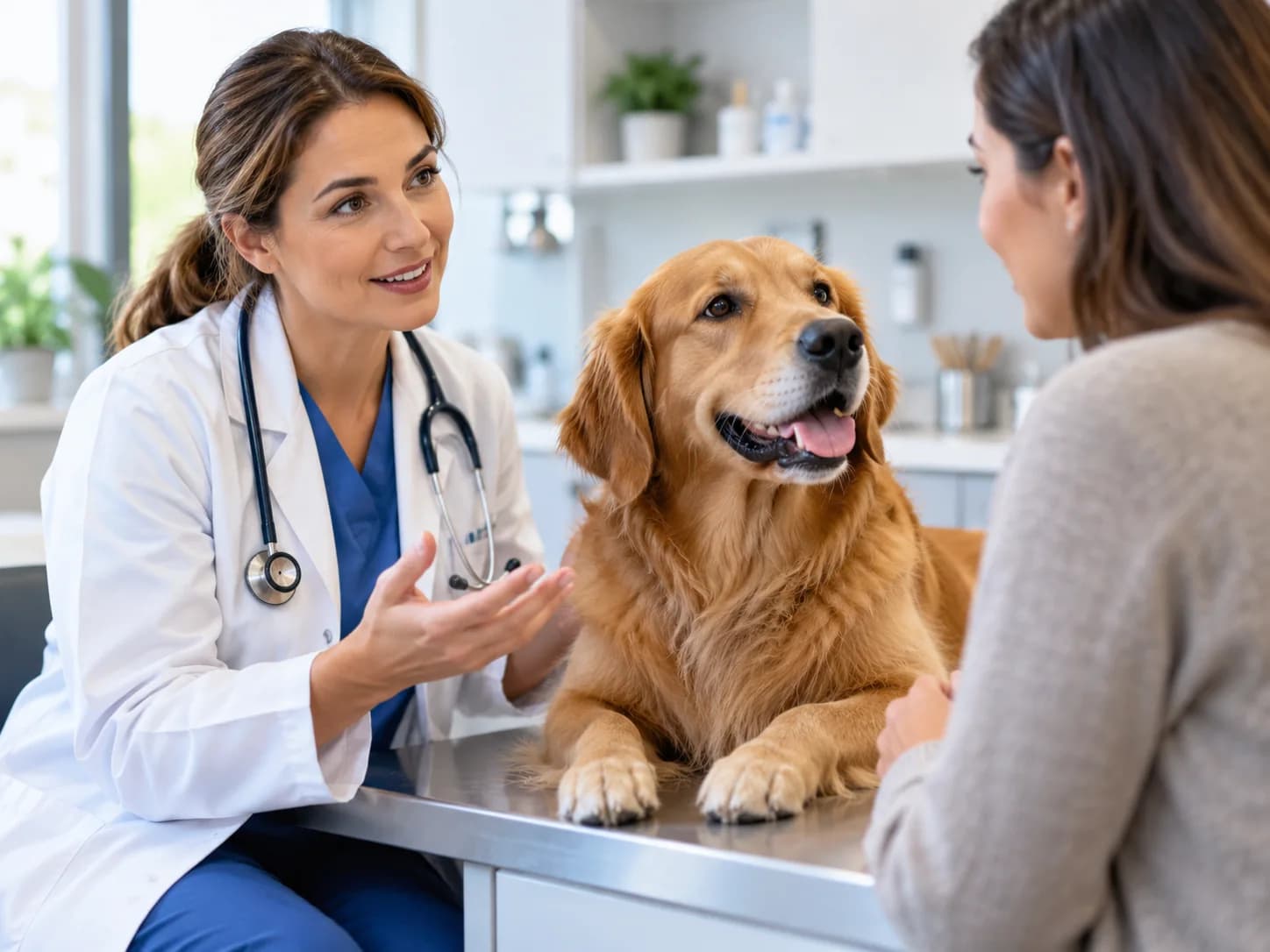
A consultation is your chance to sit down with a vet, talk about your pet and agree the next steps together. Your vet will ask about your pet's history and what you have noticed, then give them a thorough examination: checking the eyes, ears, mouth and teeth, listening to the heart and lungs, feeling the tummy, looking at the skin and coat, and checking weight.
Afterwards, your vet will explain what they have found, what they think may be going on and the options. Sometimes that is advice or medication. Sometimes further investigation, such as pet diagnostic tests, would help, and your vet will explain what each test could show and what it costs before going ahead. You will never be pushed into treatment you do not need.
Common reasons to book
Owners book consultations for all sorts of reasons: a new symptom, a change in appetite, thirst or behaviour, vomiting or diarrhoea, a limp, a lump, skin and ear problems, dental concerns, weight changes, or simply a health check for a newly adopted pet. Routine visits for pet vaccinations include a full health check too.
We see dogs, cats, rabbits, small furries and birds. If your pet is not a cat or dog, tell the team the species when you book.
Repeat and nurse consultations
If your pet needs a follow-up appointment about the same problem, such as a re-check after treatment, this is booked as a repeat consultation. Our veterinary nurses also offer nurse consultations for some routine care; ask the team what they can help with. Current consultation fees are shown on our vet prices page.
Getting the most from your appointment
Before you come in, make a note of what you have noticed and when it started, along with any medication your pet takes. Photos or videos of a symptom that comes and goes, such as a cough, a limp or unusual breathing, can be really helpful. Our guide on how to prepare for a vet visit has more ideas.
Bring cats and small pets in a secure carrier, and dogs on a lead. If your pet is nervous, tell us when you book so we can plan the visit. Do not be afraid to ask questions; if you are unsure about anything, ask your vet to explain it again. If your pet becomes seriously unwell or is injured, call us straight away rather than waiting for a routine appointment.
Health checks for older pets
As pets get older, regular check-ups become even more valuable. Many age-related conditions, such as arthritis, dental disease, kidney problems and thyroid conditions, develop gradually, and changes can be easy to miss at home. A consultation lets your vet spot problems early, discuss weight and diet, and adjust any long-term medication. If your older pet is drinking more, losing weight, slowing down on walks or seems confused at times, mention it at your appointment, as these can all be signs worth investigating.
Frequently asked questions
How do I book a consultation?
Call the practice or use our online booking. If you are not sure which type of appointment you need, call and the team will advise.
Can I bring more than one pet to an appointment?
Please let us know when you book, so we can allow time to see each pet properly.
Do I need to register first?
New clients are welcome. Bring any previous records, such as vaccination cards, if you have them.
Is a consultation covered by insurance?
Many policies cover consultations for a new illness or injury, but not routine health checks. Check your own policy.
What happens next?
Contact the practice
Describe your pet’s needs and ask about suitable appointment arrangements.
Individual assessment
Your veterinary team can explain whether a consultation, examination or other assessment is appropriate.
Discuss a care plan
Ask about recommended next steps, expected costs and any follow-up care.
This general information is pending review by the practice and does not replace advice from a veterinary professional.