Independent veterinary care
Routine preventative care for cats
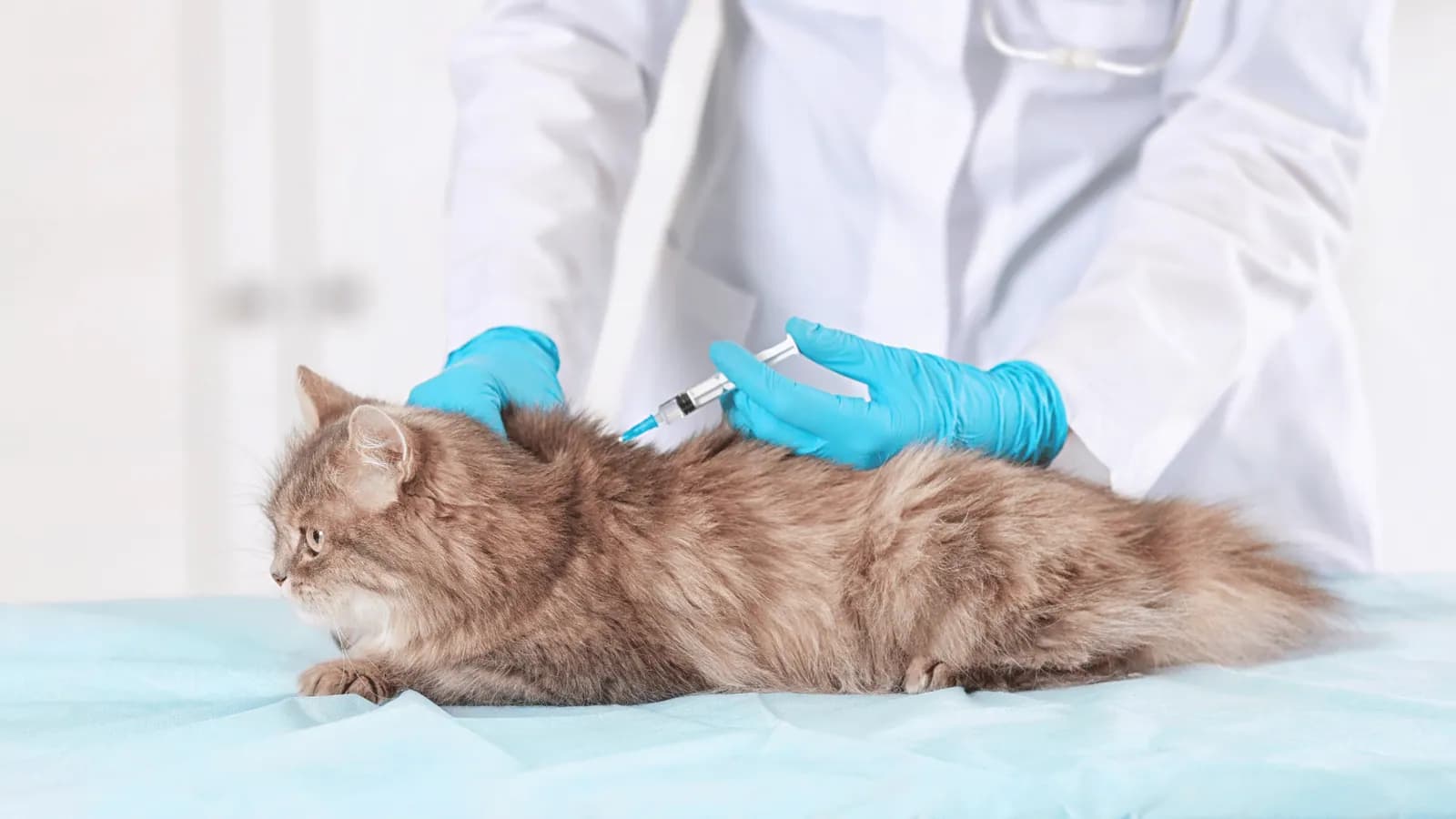
Ironstone provides vaccination advice for kittens and adult cats. Bring any previous records to your appointment. Your vet can discuss recommended protection, when boosters may be needed and what to expect following vaccination.
Care and treatment decisions are always based on an individual assessment. Contact the clinic to discuss your pet and confirm appointment availability.
What cat vaccinations protect against
Cat vaccinations help protect against some of the most common and serious feline infections. The core vaccines cover feline herpesvirus and feline calicivirus, the two main causes of cat flu, and feline panleukopenia (also called feline infectious enteritis). We also vaccinate against feline leukaemia virus (FeLV), which is spread between cats through close contact, and rabies vaccination is available for cats that need it for travel.
Not every cat needs every vaccine. Your vet will recommend the right protection based on your cat's age, health and lifestyle: whether they go outdoors, live with other cats, visit a cattery, or are a strictly indoor cat.
Kittens and adult boosters
Kittens have a primary course of two vaccinations a few weeks apart, usually starting from around eight to nine weeks of age. Your vet will confirm timings at the first visit and let you know when your kitten will be protected enough to go outside, which is also a good time to think about neutering and microchipping.
After the primary course, cats need booster vaccinations to stay protected. Some parts of the vaccine are given yearly and others every few years, so we will tell you exactly what is due each time. If your cat has missed boosters, or you have adopted an adult cat with no vaccination history, your vet may recommend a restart course.
What happens at the appointment
Every vaccination visit includes a full health check. Your vet will examine your cat from nose to tail, including the teeth and gums, heart, coat and weight, and you can ask about anything you have noticed at home. Bring any previous vaccination records, especially if you are moving to us from another practice.
We know many cats do not enjoy travelling. A secure carrier with a familiar blanket, and a towel over the top in the waiting room, helps many cats stay calmer. Our guide to preparing for a vet visit has more tips.
After vaccination
Most cats are perfectly normal after their vaccinations. Some are a bit quiet, sleep more or eat a little less for a day, and a small lump can sometimes be felt where the injection was given. Call us if your cat seems unwell, if a lump persists or grows, or if you are worried.
Routine vaccinations are included in our pet wellness plans. Many owners plan cat neutering and microchipping around their kitten's vaccination course.
Thinking about your cat's lifestyle
The right vaccines depend on how your cat lives. A cat that roams outdoors, meets neighbouring cats or lives in a multi-cat household faces different risks from a cat that never leaves the flat. Feline leukaemia virus, for example, is spread mainly through close contact with infected cats, so your vet may recommend it for outdoor cats and kittens that will go outside. If your circumstances change, such as a move to a house with a garden, a new cat joining the family or a first cattery stay, let us know at the next booster so the plan can be reviewed. Keep your cat's vaccination card with their other paperwork; catteries will usually want to see it.
Common questions
Does an indoor cat need vaccinating?
Yes. Some infections, such as cat flu viruses and panleukopenia, can be carried into the home on shoes and clothing, and indoor cats may still need a cattery stay or escape outdoors one day. Your vet will tailor the vaccines to your cat's lifestyle.
Does my cat need vaccinating every year?
Some components are given every year and others less often, depending on the vaccine and your cat's risk. The yearly visit is also a valuable health check.
Will my cat need vaccinations for a cattery?
Most catteries ask for an up-to-date vaccination record. Check with the cattery in good time so any booster can be given before the stay.
Where can I read more about vaccinations?
Our pet vaccinations Q&A answers common questions, including what to do about a missed booster.
Costs and estimates
Booster vaccination (with consultation): £50.00
Primary vaccination course (with consultation): £75.00
Given 3-4 weeks apart. Also applies to an adult restart course.
Individual estimates can vary depending on your pet and the care required. Please confirm your estimate with the practice before treatment.