Independent veterinary care
Keeping an eye on dental health
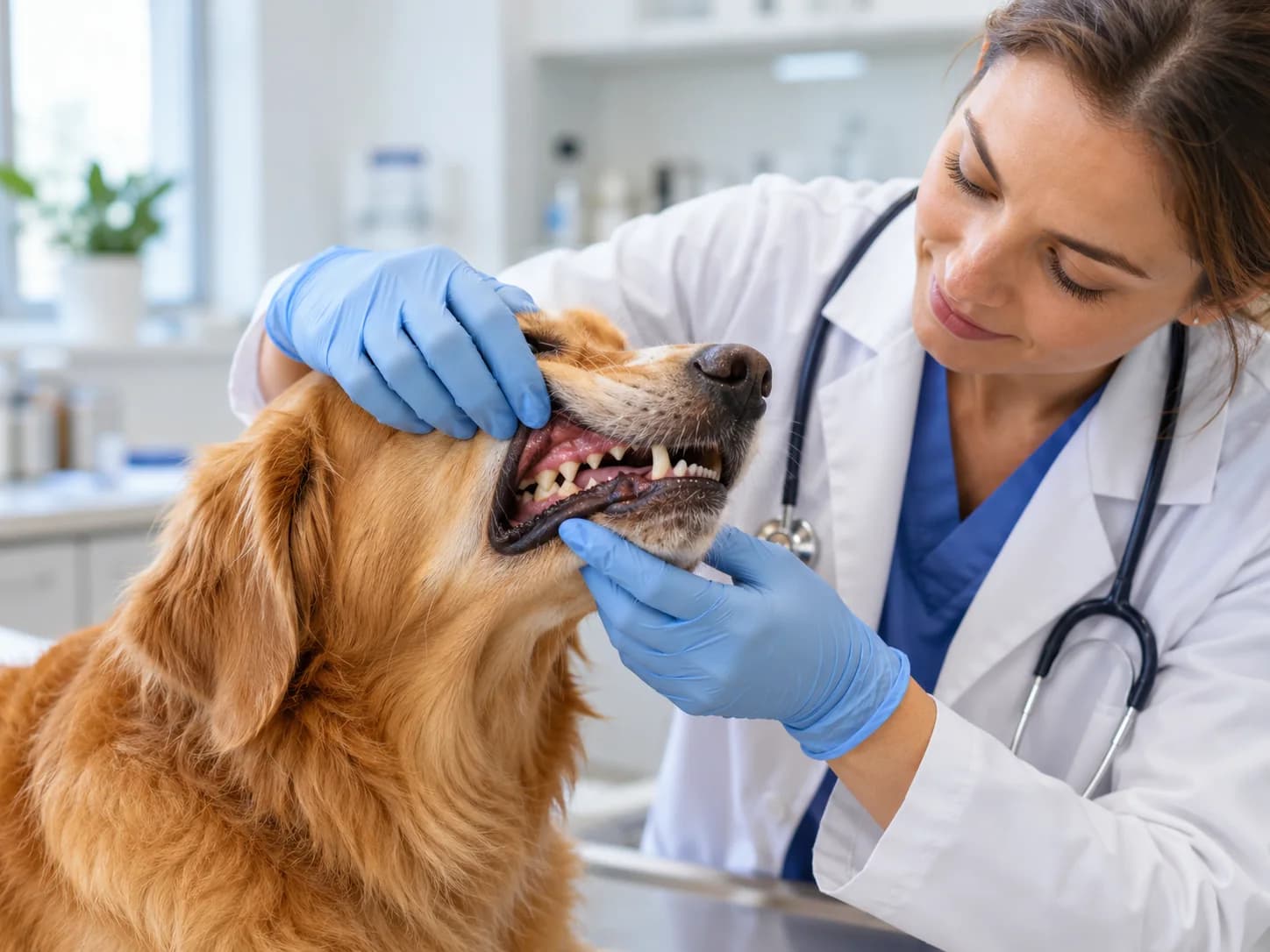
If your pet has sore gums, bad breath or difficulty chewing, arrange a veterinary examination. Ironstone can advise on appropriate dental care, potential procedures and ways to support dental health at home.
Care and treatment decisions are always based on an individual assessment. Contact the clinic to discuss your pet and confirm appointment availability.
Why dental care matters
Dental disease is one of the most common problems we see. Plaque and tartar build up on the teeth, gums become inflamed, and over time teeth can become loose, infected or painful. Pets are very good at hiding mouth pain and will often keep eating, so problems can go unnoticed until they are quite advanced.
We provide dental care for dogs, cats, rabbits and other small furries. Rabbits and many small pets have teeth that grow continuously, so they need their own kind of dental checks; see our rabbit and small pet care page.
Signs your pet may need a dental check
Look out for bad breath, red or bleeding gums, brown tartar on the teeth, drooling, pawing at the mouth, dropping food, chewing on one side or going off hard food. In rabbits, watch for weight loss, a wet chin, reduced eating or smaller droppings. If you notice any of these, book a vet consultation.
Your vet will also check your pet's teeth at routine visits, such as vaccination appointments, and let you know if treatment is likely to be needed.
What dental treatment involves
Our dental work includes dental examinations and assessments, dental X-rays, scaling and polishing, tooth extractions, oral mass removal and repair of oronasal fistulas. A full assessment of the mouth, cleaning and any extractions are carried out under general anaesthetic so your vet can examine every tooth, including below the gum line, and work safely without causing your pet stress.
It is often hard to know exactly how many teeth need treatment until your pet is under anaesthetic, the tartar has been removed and X-rays have been taken. Your vet will give you an estimate beforehand, explain what might change on the day and, if more treatment is needed than expected, phone you to discuss it.
On the day and aftercare
Dental procedures follow the same routine as other operations: we will give you fasting instructions, your pet is admitted in the morning, and we phone you when they are awake. When you collect them we will explain what was done and how to care for their mouth at home.
Your pet may need softer food for a few days after extractions, along with any pain relief your vet prescribes. We will arrange a check to make sure the mouth is healing. After that, regular tooth brushing makes a real difference; our guide on looking after your pet's teeth at home explains how to start. Members of our pet wellness plans receive a clinic discount that also applies to dental procedures, under the plan terms.
Daily habits that help
Daily tooth brushing is the most effective way to slow the build-up of plaque between visits. Use a pet toothpaste, never human toothpaste, and start slowly, letting your pet lick the paste from your finger before introducing a brush. Short, positive sessions work best. Dental chews and diets designed for dental health can help some pets, but they are not a substitute for brushing or for a vet check. For rabbits and guinea pigs, the most important thing is plenty of hay or grass every day, which helps wear their continuously growing teeth down naturally. If you are not sure where to start, ask us at your next appointment and we will show you.
Common questions
How often should my pet's teeth be checked?
We recommend a dental check at least once a year for most pets, usually at their annual health check. Your vet will advise whether a scale and polish is needed.
Is dental treatment covered by pet insurance?
It depends on your policy. Many policies only cover dental treatment needed after an accident or injury, so check the details with your insurer.
Can I just have my pet's teeth cleaned without an anaesthetic?
A thorough clean and assessment, including below the gum line, needs a general anaesthetic. Your vet can explain why at your appointment.
What does dental treatment cost?
It depends on what is needed. Our published dental fees are shown below, and your vet will give you an estimate before treatment.
Costs and estimates
Dental assessment (Initial examination of the mouth, scale and polish): £320.00
General anaesthesia, sedation, hospitalisation and monitoring and post-operative check-ups are included.
Individual estimates can vary depending on your pet and the care required. Please confirm your estimate with the practice before treatment.