Independent veterinary care
When your pet needs an examination
Scooting, licking, odour, swelling or discomfort can indicate a problem that warrants assessment. A vet can check for other causes and advise whether expression or additional treatment is appropriate.
Care and treatment decisions are always based on an individual assessment. Contact the clinic to discuss your pet and confirm appointment availability.
What anal glands are
Dogs and cats have two small anal glands, or sacs, just inside the bottom, one on each side. They produce a strong-smelling fluid that is normally emptied a little at a time when your pet passes faeces. Sometimes the glands do not empty properly. They can become full, blocked (impacted) or infected, and in some cases an abscess can form.
Anal gland problems can happen at any age, in both dogs and cats.
Signs to look out for
Common signs include scooting the bottom along the floor, licking or biting under the tail, straining or discomfort when passing faeces, a strong fishy smell, swelling or redness around the bottom, and pain when the area is touched.
These signs are not always caused by anal glands. Itchy skin, fleas, worms and other problems can look very similar, so an examination helps your vet find the real cause. Pets with recurring problems sometimes have underlying skin conditions.
What happens at the appointment
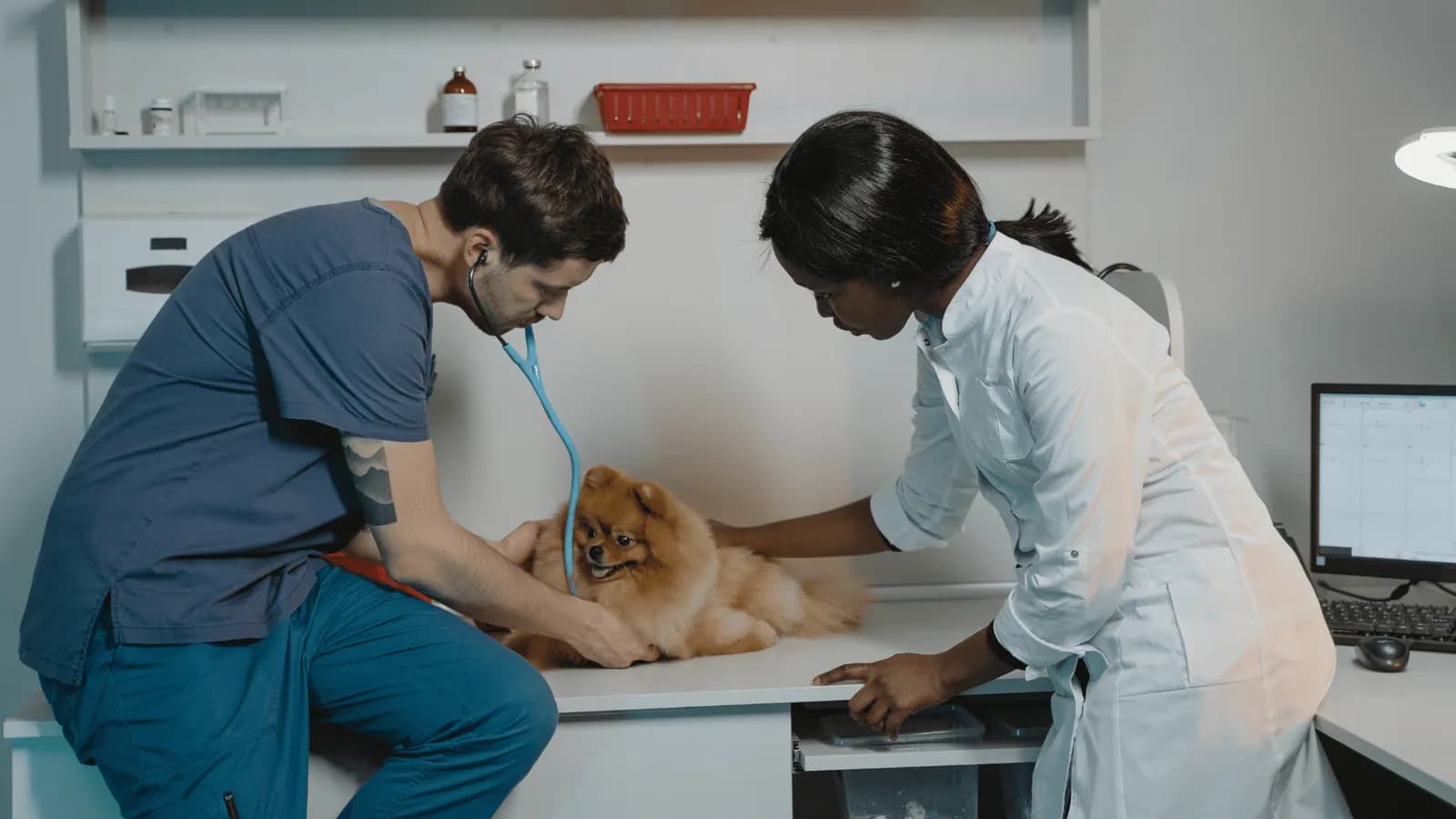
Your vet will examine your pet and, if the glands are full, gently express (empty) them by hand. This usually gives quick relief. If a gland is infected or an abscess is forming, your vet may recommend medication and will explain what to watch for at home. If your pet needs pain relief or antibiotics, these can be supplied from our pet pharmacy.
If your pet seems in a lot of pain, or you see a swelling or a wound near the bottom, call us rather than waiting for a routine appointment.
Preventing future problems
Some pets never need their glands emptied, while others need it every few weeks or months. Age, weight, diet and underlying conditions all play a part. A diet with enough fibre helps produce firm stools, which press on the glands and help them empty naturally, while soft stools can make problems more likely. Keeping your pet a healthy weight also helps.
Anal gland expressions are included, when appropriate, in our pet wellness plans.
Helping your pet at home
Between visits, keep an eye on your pet's bottom and their stools. Firm, well-formed stools help the glands empty naturally, so if your pet often has loose stools, it is worth talking to us about diet. Gradual weight loss for overweight pets can also make a difference. Make a note of how often problems happen, along with any changes to food or routine, as this helps your vet spot patterns. Do not try to squeeze a swelling under the tail yourself; a painful swelling may be an abscess and needs to be seen. If your pet keeps needing their glands emptied, your vet may suggest looking for an underlying cause.
Common questions
Can I express my pet's anal glands myself?
We recommend having it done by a vet or nurse. It can be uncomfortable for your pet, and your vet can check for infection or impaction at the same time.
Can diet cause anal gland problems?
Yes, it can contribute. Diets that lead to loose stools mean the glands may not empty naturally. Ask us for advice on your pet's diet.
How often do anal glands need emptying?
It varies from pet to pet. Some never need it; others need regular help. Your vet will advise.
How much does anal gland expression cost?
The fee is shown in the costs section below and on our vet prices page.
Costs and estimates
Anal gland expression: £20.00
Gland expressions for dogs and cats.
Individual estimates can vary depending on your pet and the care required. Please confirm your estimate with the practice before treatment.