Independent veterinary care
Understanding your pet's procedure
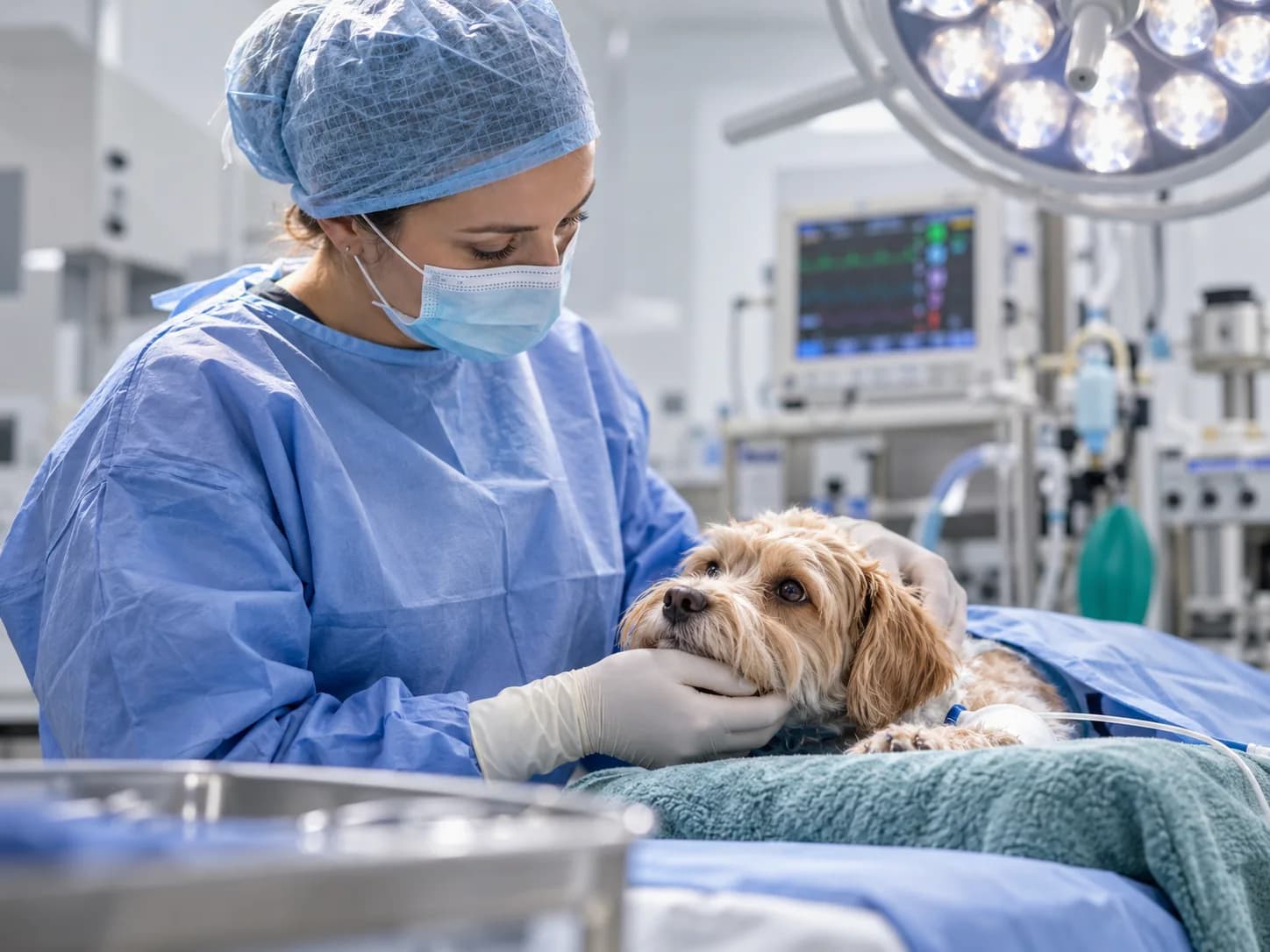
The practice describes experience with operations including neutering, lump and abscess removal, fracture repairs and other surgical procedures. Every case requires a veterinary assessment. Ask about anaesthesia, monitoring, expected recovery, aftercare and an individual estimate.
Care and treatment decisions are always based on an individual assessment. Contact the clinic to discuss your pet and confirm appointment availability.
Surgery at Ironstone
We carry out a wide range of planned and emergency operations in-house at our practice. These include neutering, dental surgery, removal of lumps and tumours, abscess surgery, surgery for intestinal blockages and fracture repairs. Neutering is covered in more detail on our dog neutering and cat neutering pages, and bone and joint operations on our orthopaedic surgery page.
Whatever the operation, our approach is the same: we explain why surgery is recommended, what the alternatives are, what the risks and benefits are for your pet, and what it is likely to cost, so you can make an informed decision.
Before the operation
Every operation starts with an examination. Many pets also need diagnostic tests, such as a pre-anaesthetic blood test, or diagnostic imaging first. These help your vet plan the surgery and the anaesthetic safely, especially for older pets or those with other health conditions.
We will give you clear instructions when you book, including when to stop food the night before. Let us know about any medication your pet takes, as some may need to be continued or paused.
On the day
Your pet will be admitted in the morning. A member of the team will check them over, go through the consent form, confirm the contact number we can reach you on, and answer any last questions. Your pet will have pain relief and will be monitored throughout the anaesthetic and while they recover.
We will phone you after the operation to let you know how it went and to arrange a time to collect your pet. At collection, we will explain the aftercare, go through any medication and book post-operative checks.
Recovery and aftercare
Most pets are a little sleepy on the first evening. Keep them warm and quiet, offer a small, light meal and fresh water, and give any medication exactly as directed. Stop your pet licking or chewing at the wound; a buster collar or body suit can help. Dogs should have lead walks only until your vet says otherwise.
Call us if the wound is red, swollen or weeping, if your pet is not eating, is vomiting, seems in pain or is very lethargic. If something is urgent when we are closed, see our emergency information.
Questions owners often ask before surgery
It is completely normal to feel anxious about your pet having an operation. Useful questions to ask your vet include: why is surgery the best option, and what happens if we wait; what does the estimate include, and what might change it; does my pet need tests before the anaesthetic; how long is recovery likely to take, and what restrictions will there be at home; and who should I call if I am worried afterwards. We would much rather answer every question before the day than have you worrying at home. If your pet has any other health conditions or takes regular medication, let us know so your vet can plan around them.
Common questions
Are operations carried out at the practice?
Yes. We carry out our surgery in-house at Ironstone. If your pet needs a procedure we do not offer, such as some advanced orthopaedic or spinal surgery, we can refer you to a specialist centre.
Does pet insurance cover surgery?
It depends on your policy. Many policies cover surgery needed for an illness or injury, but not routine procedures such as neutering or conditions that started before the policy.
How much will my pet's operation cost?
The cost depends on the procedure and your pet. Published surgical fees are shown below, and your vet will always give you an individual estimate before surgery.
Do wellness plan members get a discount?
Members of our pet wellness plans receive a clinic-wide discount that applies to surgery, under the plan terms.
Costs and estimates
Lump Removal: From £450.00
Lump removals start from £450 and are dependent on size and complexity of surgery including general anaesthetic but not including any bloods/fluid therapy or post-op medication.
Surgeries: Contact us for pricing
The cost of surgeries will always be quoted individually by the vet.
Individual estimates can vary depending on your pet and the care required. Please confirm your estimate with the practice before treatment.