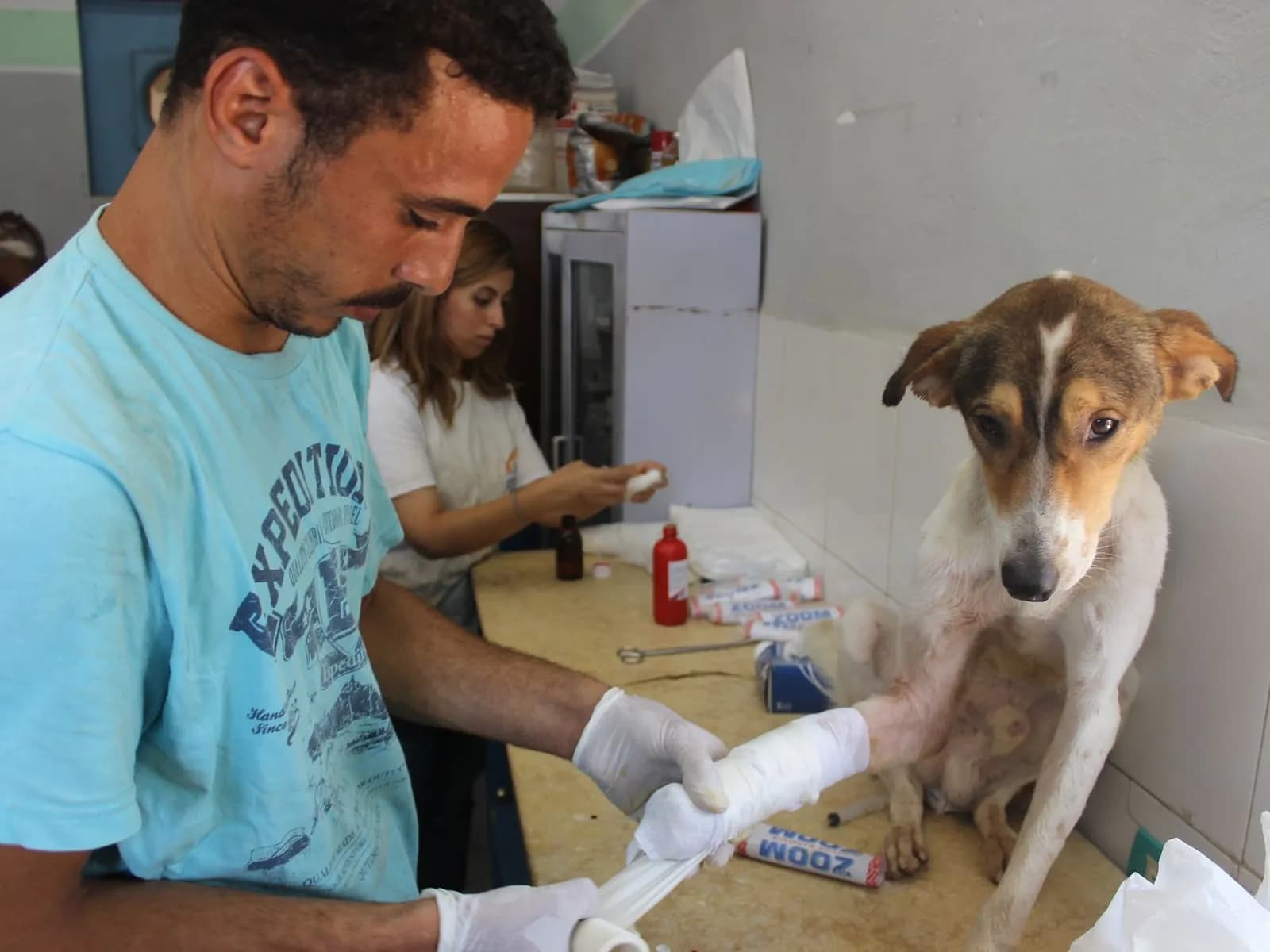
Independent veterinary care
Assessment and treatment for bones and joints
Ironstone's existing website describes orthopaedic procedures and fracture care. Your pet will need an individual examination and appropriate diagnostic assessment before surgery or referral decisions. Ask about the available options, recovery, follow-up care and an estimate.
Care and treatment decisions are always based on an individual assessment. Contact the clinic to discuss your pet and confirm appointment availability.
What orthopaedic surgery covers
Orthopaedic surgery treats problems with bones, joints, ligaments and tendons. The orthopaedic procedures we carry out include fracture repairs, amputation, surgery for hip dysplasia, ligament and tendon surgery, luxating patella (kneecap) surgery and surgery for cruciate disease, including TPLO.
Cruciate disease, where a ligament in the knee is damaged or ruptured, is one of the most common orthopaedic problems we see in dogs, and we diagnose and treat many of these cases in-house. If your pet needs a procedure such as a total hip replacement or surgery for intervertebral disc disease, we will refer you to a specialist centre and support you through that process.
Signs your pet may need an orthopaedic assessment
Limping, stiffness after rest, reluctance to jump or climb stairs, a leg that is held up, swelling around a joint or a change in how your pet sits or walks can all point to an orthopaedic problem. Some problems come on suddenly after an injury; others develop gradually as a joint wears or a ligament weakens.
Start with a vet consultation. Your vet will watch your pet move, feel the joints and bones, and discuss whether rest and medication, further investigation or surgery is the most suitable option.
Investigation and planning
Most orthopaedic cases need diagnostic imaging, usually X-rays, to see what is happening inside the joint or bone. Your vet may also recommend blood tests before an anaesthetic. Once the problem is clear, we will explain the options, what surgery would involve, the expected recovery and an individual estimate.
Surgery day and recovery
Orthopaedic surgery follows the same routine as our other pet surgery: fasting instructions beforehand, a morning admission, pain relief and monitoring throughout, and a phone call when your pet is awake. We provide full care before and after the operation.
Recovery from bone and joint surgery takes patience. Your pet will usually need strictly restricted exercise, short lead walks and a safe space at home where they cannot jump or run, often for several weeks. We will give you a written plan, arrange regular checks and follow-up X-rays to confirm healing, and gradually increase activity as your pet improves. Sticking to the rest plan is one of the most important things you can do for a good outcome.
Getting your home ready
Preparing your home before surgery makes the recovery period easier for everyone. A crate or a small, secure room with non-slip flooring stops your pet running, jumping or climbing while bones and joints heal. Rugs or mats on slippery floors help, and a ramp or carrying small dogs can avoid steps and getting into the car. Keep a lead and harness by the door, even for garden trips. Your pet may find rest frustrating, so food puzzles, chews your vet has approved and short training sessions can help keep their mind busy. If your pet's weight is a concern, ask us about adjusting food while they are less active, as extra weight puts more strain on healing joints.
Common questions
How much does orthopaedic surgery cost?
It depends on the procedure and on your pet. Orthopaedic surgery is always quoted individually by the vet; see the costs section below and our vet prices page.
Do you refer pets to specialists?
Yes. Procedures such as total hip replacement or intervertebral disc surgery are referred to a specialist centre. Your vet will discuss this with you.
Will my pet be in pain after surgery?
Pain relief is part of every operation and continues at home. Tell us if you think your pet is uncomfortable.
Is there an alternative to surgery?
Sometimes. Depending on the problem, rest, weight management and medication may be options. Your vet will explain the pros and cons honestly.
Costs and estimates
Orthopaedic Surgeries: Contact us for pricing
The cost of orthopaedic surgeries will always be quoted individually by the vet. All prices include post-operative x-rays at 6-8 weeks. Multiple fractures may incur additional charges.
Individual estimates can vary depending on your pet and the care required. Please confirm your estimate with the practice before treatment.